
Imagine pressing play on a song and knowing if AI was used to help create it. Was it created entirely by artificial intelligence? Was AI simply another tool used by a human artist in the creative process? As technology continues changing the way music is made, the industry is now trying to make sure fans aren’t left guessing.
IFPI, RIAA, A2IM, WIN, IMPALA, The Grammys, SAG-AFTRA and the Human Artistry Campaign have announced a unified approach to voluntary track labeling designed to give listeners clearer information about the role generative AI played in sound recordings.
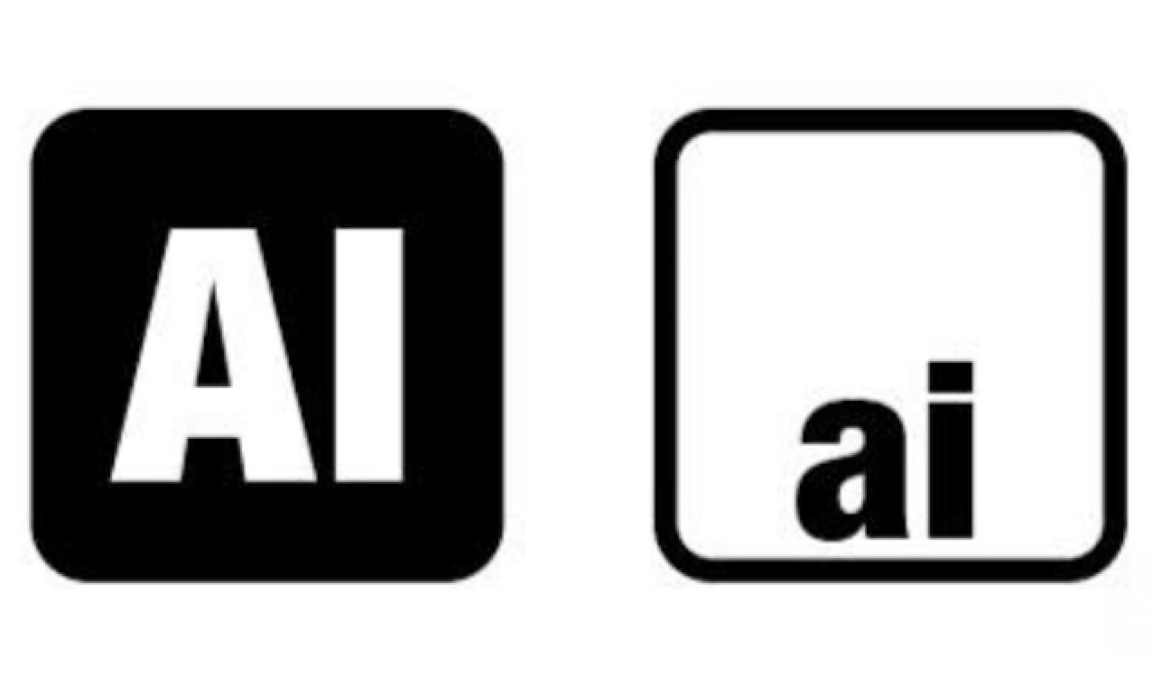
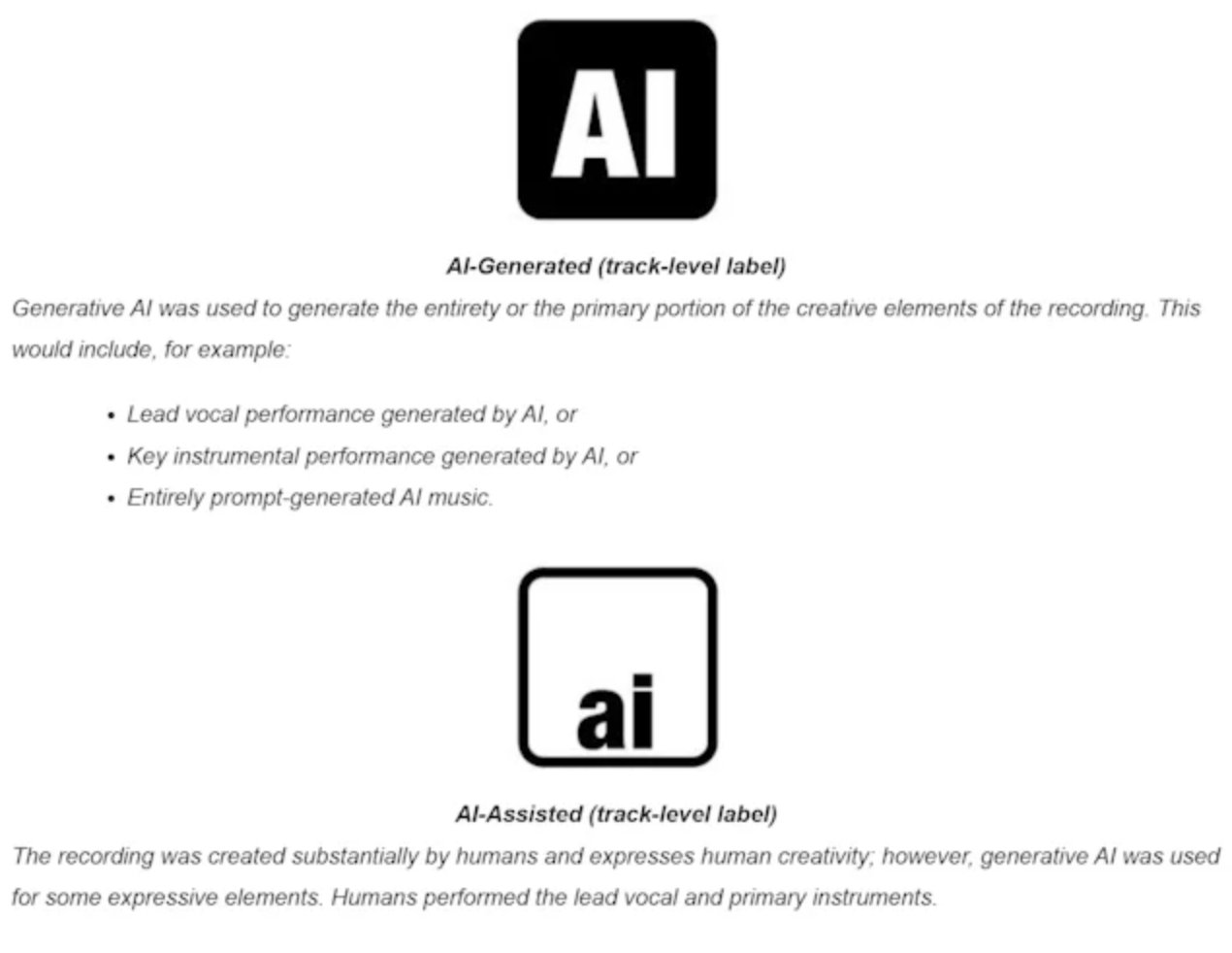
The new system will distinguish between two categories: “AI-Generated” and “AI-Assisted.” The labels are being designed with global adoption in mind across digital music services and other industry partners, with the expectation that the system will evolve as technology and requirements continue to change.
IFPI CEO Vikki Oakley and RIAA chairman and CEO Mitch Glazier said in a joint statement that fans want more transparency when it comes to the music they hear.
“Fans want to know whether and how generative AI has been used in the music to which they listen. Given how important human artistry and authenticity is to music lovers all over the world, these labels will provide an immediately understandable and easily scalable approach to transparency.”
The conversation around AI in music has accelerated as more AI-created songs enter streaming platforms. In April, Deezer reported that AI-generated tracks represented 44% of all new music delivered to its platform, while Apple Music has said more than one-third of tracks uploaded to its service are “100% AI.”
At the same time, many artists are exploring AI as a creative tool — using it to support ideas and enhance their process without replacing the human element behind the music.
The new labels are designed to help fans understand the difference between recordings created primarily by AI and recordings where human artists used AI in limited ways.
Ian Harrison, CEO of A2IM, says trust between artists and fans is at the heart of the conversation.
“The independent community knows the magic of music lives in an authentic connection between artists and fans. Technology will keep offering new ways to make and enjoy music, but that bond still runs on trust.”
Noemí Planas, CEO of WIN, says clear labeling is essential as the industry moves forward.
“Clear labeling of AI-generated content is central to this: it gives fans the transparency they deserve and supports the human-centered, safety-first approach that the global independent community has championed through the WIN Principles for Generative AI.”
Helen Smith, executive chair of IMPALA, called the initiative an important first step toward a broader system of accountability.
“More than a labelling exercise, it is a foundational opportunity for the whole sector.”
Harvey Mason Jr., CEO of The Grammys, believes the focus should remain on creativity and artistic intent.
“As AI continues to be integrated into the creative process, artists and fans alike deserve a clear way to communicate how and when it’s being used. This initiative ensures that creativity, authorship, and artistic intent remain at the center of every song.”
Duncan Crabtree-Ireland, SAG-AFTRA national executive director and chief negotiator, says transparency is only part of the larger discussion.
“Fans deserve to know when the music they hear is AI-generated or AI-assisted, and performers deserve a marketplace that recognizes, values, and protects human creativity.”
Dr. Moiya McTier of the Human Artistry Campaign added that honesty remains a key part of maintaining trust.
“Fans deserve to know if and how AI has been used in recordings they hear.”
The labels will use visual icons designed to quickly show fans whether and how AI was used in a recording, supported by metadata and delivery systems. The organizations involved will work with digital music services, distributors, aggregators and standards bodies to help bring the system into wider use.
Under the proposed guidelines, an AI-Generated track means generative AI was used to create the entirety or primary portion of the creative elements of the recording. Examples include an AI-generated lead vocal performance, a key instrumental performance created by AI, or entirely prompt-generated AI music.
An AI-Assisted track means the recording was created substantially by humans and reflects human creativity, but generative AI was used for certain expressive elements. Human performers remain responsible for the lead vocals and primary instruments.
The labels will focus specifically on generative AI use in sound recordings for now. They will not cover AI use in lyrics, composition, music videos or cover art at this stage.
As AI becomes a bigger part of the music conversation, will you support music created in whole or in-part by AI?