
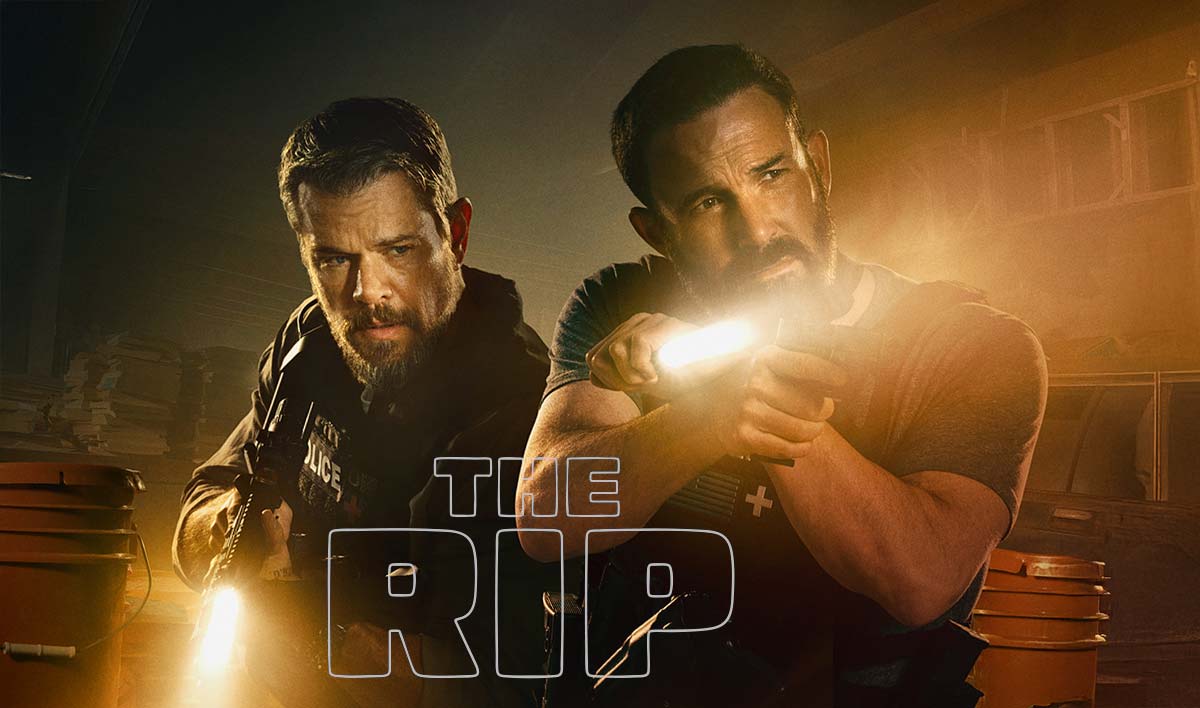
You don’t usually expect a film set in a fictional Miami drug war to spill over into an actual courtroom. But here we are…
Two Miami-Dade sheriff’s deputies have launched a lawsuit against Matt Damon and Ben Affleck, alleging that their Netflix crime drama The Rip crossed a line, portraying them in a way that made them look like “dirty cops”.
The officers, Jonathan Santana and Jason Smith, are seeking defamation damages from the actors’ production company Artists Equity, claiming the film blends real-life investigative details with fiction in a way that damaged their reputations.
At the centre of it all is a story built on pressure, paranoia, and a drug war gone sideways.
The Rip, written and directed by Joe Carnahan, follows a narcotics unit in Miami that discovers millions in cash hidden inside a cartel stash house. What starts as a high-stakes bust slowly turns into suspicion inside the team, where trust starts to rot from the inside out.
Carnahan has said the film came from something deeply personal. Speaking to Netflix’s Tudum, he explained: “The Rip came out of a deeply personal experience that my friend went through, both as a father and as head of tactical narcotics for the Miami Dade police department.” He added, “It’s inspired in part by his life and then, by my enduring love for those classic ‘70’s cop thrillers.”
But Santana and Smith argue that the inspiration didn’t stop at storytelling. In court filings reported by The Hollywood Reporter, they claim the film recreates elements of real 2016 South Florida drug busts they worked on, including a massive seizure where more than 21 million dollars in cash was recovered from a stash house in Miami Lakes.
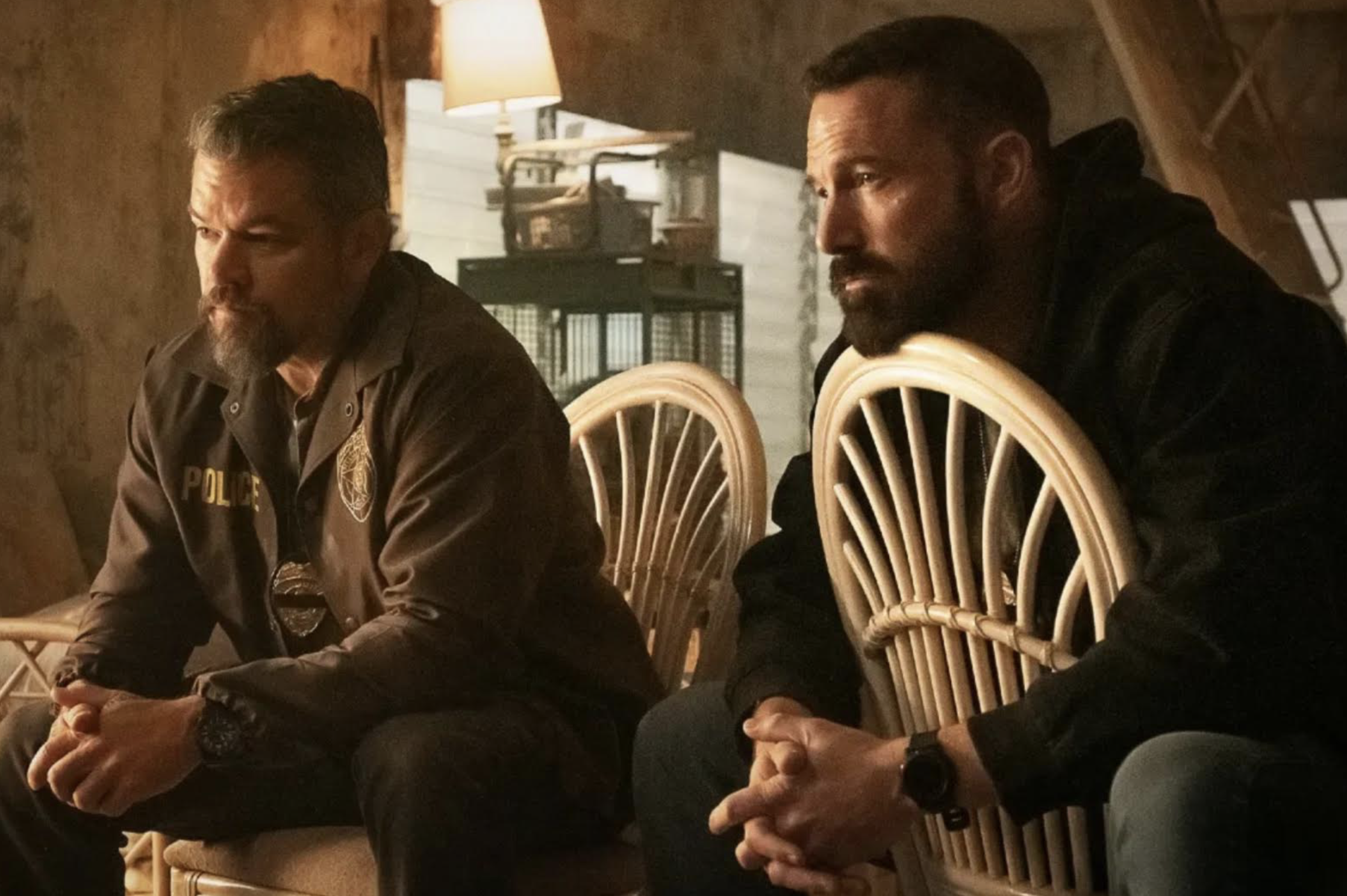
Santana was the lead detective on the real case. Smith supervised the team. And now both say the film’s depiction has led to public perception that they were involved in corruption, with Santana saying colleagues have asked him questions like, “How many buckets of money did you steal?”
He has pushed back hard on that implication, saying, “We never stole a dollar.”
The lawsuit claims the officers’ reputations have suffered “substantial harm” and argues that Damon and Affleck’s production company should have brought them in as consultants, rather than relying on Captain Chris Casiano, who is credited as a technical advisor.
Artists Equity reportedly responded earlier this year, stating the film does not claim to tell the true story of the 2016 investigation and that a disclaimer makes its fictional nature clear.
Still, the officers are now seeking compensatory and punitive damages, along with attorney fees and a public retraction.
Carnahan, meanwhile, has defended the project as a blend of lived experience and stylized crime storytelling, rooted as much in character tension as in real-world inspiration.
And that’s where this lands for now: somewhere between Hollywood storytelling and real-world consequences, where perception can hit just as hard as fact.
When a film is “inspired by true events,” how far is too far before the real people behind those events get pulled into the fiction?